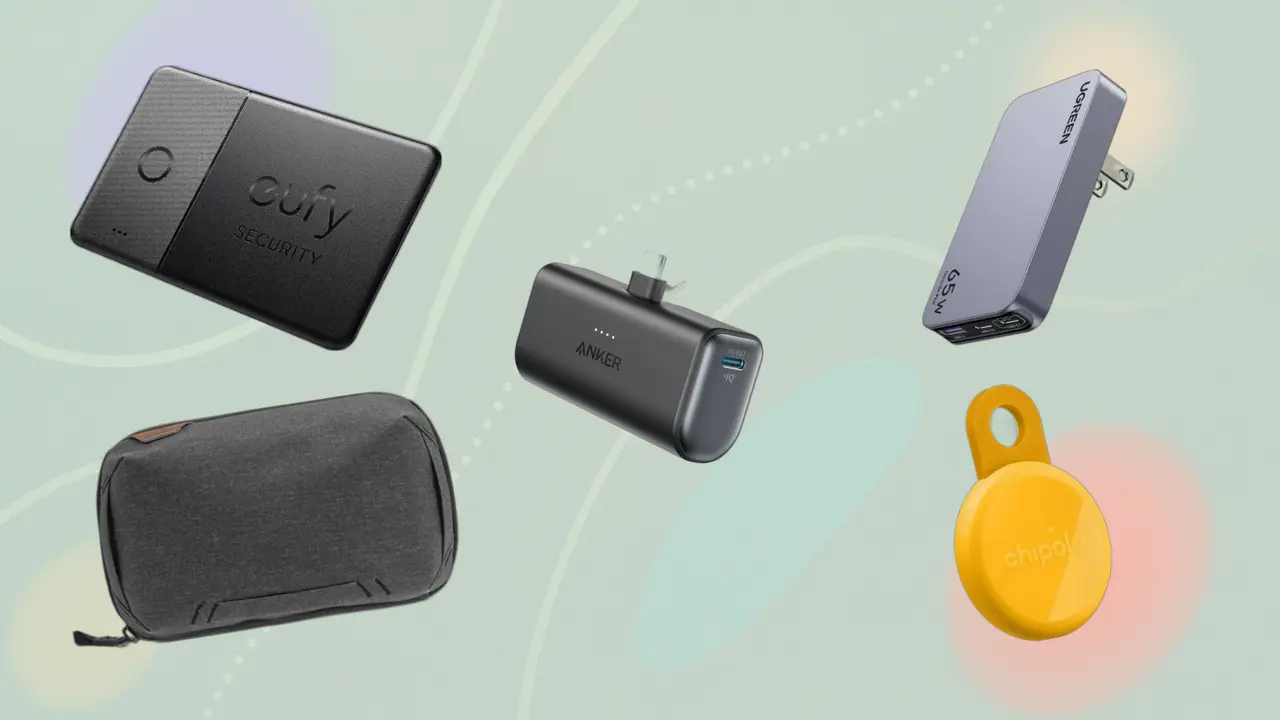



In today’s technology‑driven world, finding reliable information about gadgets before making a purchase is essential. Whether you’re searching for the best smartphones, smartwatches, laptops, or smart home gadgets, high‑quality Gadget Guides help you navigate a crowded market. This comprehensive guide will walk you through the most important aspects of writing, understanding, and using gadget reviews and buying guides to make smarter tech decisions.
Why Gadget Guides Matter
With so many products launching every year, keeping up with the latest tech can feel overwhelming. A well‑written gadget guide cuts through the noise by explaining key features, pros and cons, use cases, and performance expectations. Gadget guides not only help consumers choose wisely, but they also build trust with readers who rely on expert insight before spending money.
For example, the annual CES 2026 showcases some of the most exciting innovations before they hit the market. Products ranging from the Samsung Galaxy Z TriFold foldable phone to the Pebble Round 2 wearable and AI‑driven home gadgets like the Nuralogix smart mirror were featured at the event highlighting their potential impact for consumers this year.
Crafting a High‑Quality Gadget Guide
If you’re creating gadget content — either for your blog or for users — understanding how to structure your guide is key to SEO success. The following tips will ensure your content is informative, engaging, and optimized for search engines.
1. Start with Clear, Relevant Keywords
Keyword research is essential for ranking on search engines. Identify primary and long‑tail keywords that match what your audience is searching for, such as “best laptops 2026,” “smartwatch comparison,” or “budget gadgets under $300.”
Integrate these keywords naturally in your:
- Title
- Subheadings
- Meta description
- Content body
Avoid over‑using keywords (which can lead to keyword stuffing) and focus on relevance and readability. According to best practices, search engines reward content that answers user intent and provides value.
2. Know Your Audience
Before writing a single sentence, understand who you’re writing for. Are your readers beginners just learning about gadgets? Are they tech enthusiasts searching for deep technical details? Defining your audience helps tailor your tone, complexity, and choice of gadgets you review. Research shows that personalized content performs better because it resonates with specific reader needs and improves engagement.
3. Use a Structured, Scannable Format
Tech readers often skim articles to find the sections most relevant to them. Use clear headings, numbered lists, and bullet points to improve readability. Typical sections in a gadget guide include:
- Introduction to the gadget category
- Key features and specs
- Performance analysis
- Pros and cons
- Comparison with alternatives
- Final verdict
Well‑structured content both helps readers and improves on‑page SEO by making it easier for crawlers to understand your content hierarchy.
4. Provide Honest, In‑Depth Reviews
One of the most important elements of any gadget guide is trustworthy insight. Analyze each device beyond just listing specs. Discuss real‑world performance, durability, compatibility with other devices, and how well it solves problems for certain user types.
For example, if you’re writing about the best laptops in 2026:
- Include products like the Apple MacBook Air 13‑inch (M5) for mainstream productivity
- The Microsoft Surface Laptop 13‑inch as a premium Windows choice
- A value pick such as the Dell Inspiron 14 Plus for budget‑conscious buyers
Be transparent about any drawbacks — no gadget is perfect. Honest reviews establish credibility and encourage people to return to your site for future insights.
5. Use Relevant Examples and Comparisons
Comparison sections help readers see what separates one product from another. This not only improves user experience but also gives search engines rich content that matches comparative search queries (e.g., “Galaxy S26 Ultra vs iPhone 16 Pro”).
For example, in smartwatch coverage, you could compare:
- The Apple Watch Ultra 3 for fitness and connectivity
- The Samsung Galaxy Watch 8 for Android users
- The OnePlus Watch 3 for best battery life
Explaining how products differ in health features, battery life, design, and platform compatibility gives readers actionable insight.
6. Optimize for SEO
Good SEO practices help your gadget guides reach a larger audience. Prioritize:
- Short, compelling titles that include your focus keyword
- Meta descriptions that accurately summarize your article
- Header tags (H1, H2, H3) that include relevant terms
- Alt text for images describing the product clearly
- Internal links to related posts on your site
- External links to reputable sources and specifications
Technical SEO elements like site speed, mobile friendliness, and schema markup also impact visibility on search engine results pages (SERPs).
Example of Gadget Guide Categories
To help structure your blog editorial calendar, here are popular guide categories that perform well and attract both organic traffic and return visits:
Best Smartphones 2026
Smartphones continue to dominate gadget wishlists every year. Devices like the Samsung Galaxy S26 Ultra showcase advanced camera systems and AI tools for photography and productivity, while devices like the Galaxy Z Flip 7 provide unique folding form factors that bridge phones and tablets.
When covering this category:
- Discuss durability ratings, camera capabilities, and battery life
- Compare screens, processors, and storage options
- Highlight value picks under various price thresholds
Top Laptops for Every Use
Different laptops suit different tasks — from gaming and video editing to business productivity and student needs. Guides should segment choices based on performance tiers, battery life, portability, and specialized features like touchscreen support.
Including a mix of models — premium, mid‑range, and budget — makes your guide useful to a wider audience.
Smartwatch and Fitness Trackers
Wearables are more than status symbols; they offer health insights, notifications, and connectivity. Compare key features like heart rate monitoring, sleep tracking, GPS accuracy, and OS integration. This helps readers prioritize what matters most in their purchase decision.
Emerging and Fun Gadgets
Beyond mainstream devices, readers love discovering unique innovations. Annual expos like CES 2026 highlight futuristic gadgets that may define the next generation of consumer tech. Quirky items like AI‑integrated fitness bands and versatile home robotics expand your blog’s reach into lifestyle and entertainment tech topics.
Final Thoughts
Creating compelling gadget guides in 2026 combines technical insight, honest analysis, clear structure, and SEO best practices. By understanding your audience, covering relevant products like laptops, smartphones, smartwatches, and emerging tech — and structuring content in a way both people and search engines love — you can build a trusted resource that attracts readers and keeps them engaged.
Remember: high‑quality gadget guides are evergreen when updated regularly. As technology evolves and new products launch, revisit your content to keep it fresh, accurate, and valuable.